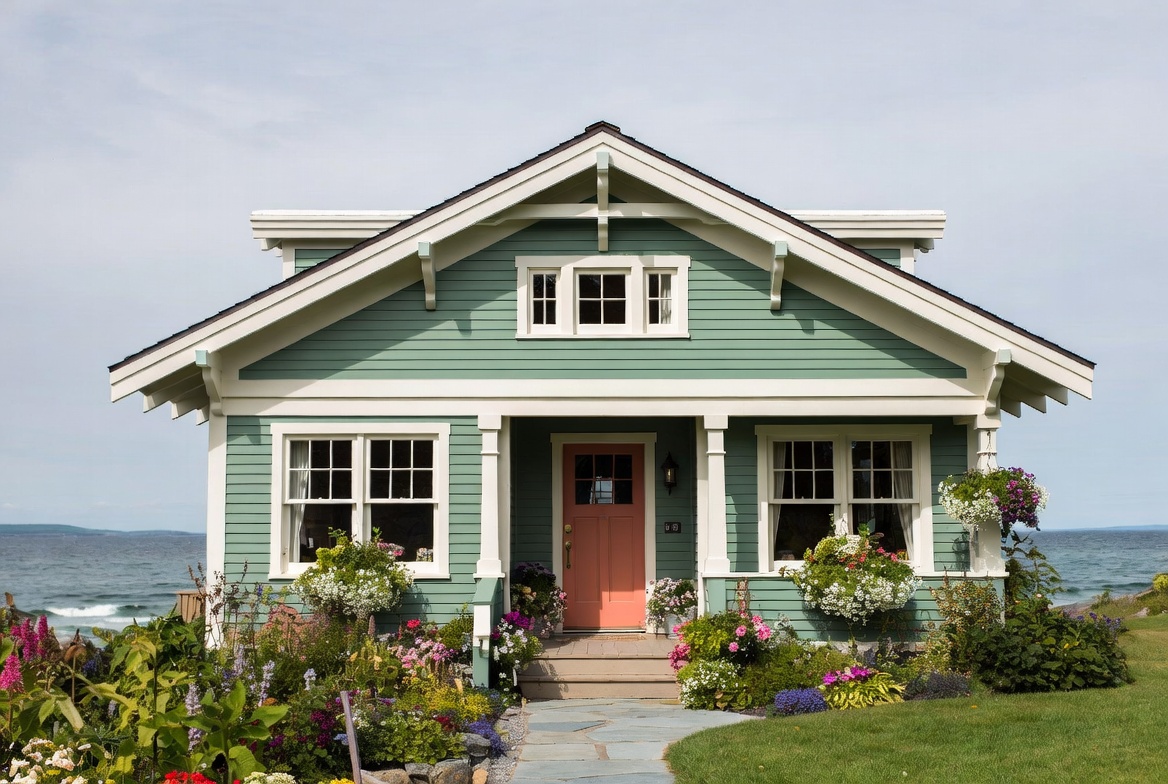
Neighbourhood connection
Familiar faces, informal check-ins, shared meals, and activities make companionship part of ordinary life.
Community Life
Intentional proximity can make everyday life safer, richer, and less isolating—without turning neighbours into caregivers.
The social design
Crow’s Pass imagines a resident-led culture built through clear agreements, shared decisions, regular connection, and respect for personal boundaries.
Familiar faces, informal check-ins, shared meals, and activities make companionship part of ordinary life.
Residents would participate in decisions and shape community agreements, priorities, and shared responsibilities.
People offer time, knowledge, skills, or support according to their abilities—not through an expectation of unpaid care.
The common house creates an easy place to gather while every resident retains her private home.
Shared gardens and accessible paths can support food, recreation, wellbeing, and collective stewardship.
The community is intended to remain connected to Cape Breton services, transportation, organizations, and neighbours.
Contribution beyond our doorstep
A stable, connected home base can make it easier for residents to keep contributing to Cape Breton. Crow’s Pass can connect women’s knowledge and interests with local organizations, neighbours, and younger generations.
Residents could volunteer as mentors, tutors, workshop leaders, and trusted guides—sharing career, business, financial, creative, and life knowledge.
Relationships with nonprofits, schools, cultural groups, libraries, and local initiatives could create meaningful service opportunities.
Gardening, technology, arts, health-system navigation, cooking, bookkeeping, organizing, and other resident skills can support useful community programs.
Residents can bring informed perspectives to boards, public conversations, housing advocacy, and projects that strengthen life in Cape Breton.
Participation would always be voluntary. Giving back would reflect each resident’s interests, energy, health, boundaries, and chosen partnerships; it would never be a condition of residency or an expectation of unpaid caregiving.
Who it is for
The primary community is envisioned for solo women aged 55 and older who value independence and want a dependable social network nearby.
Future residency criteria, costs, application processes, and legal arrangements have not been established. Expressions of interest help the initiative understand community need; they do not constitute applications or guarantees of housing.
Register your interest